

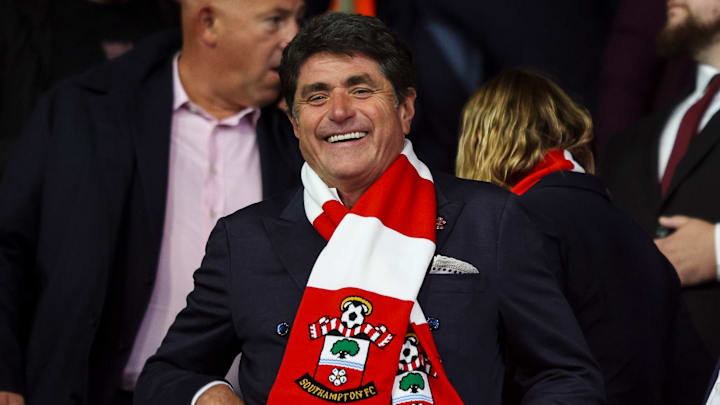
A fan-written analysis of the Southampton FC accounts under Sport Republic has divided opinion among Saints fans on social media.
Writing on Facebook, the Staple Saint fan account has published a detailed, evidence-based breakdown using audited accounts, verified transfer figures, and publicly available reporting analysis of Southampton FC's accounts.
The analysis suggests that Sport Republic is stabilising the club financially, making operational use of the multi-club model and continuing to invest in the club's infrastructure.
The arguments are compelling.
The Numbers Tell One Story And The Noise Tells Another
There is a lot of anger around Southampton FC right now. After an embarrassing season in the Premier League, the club has struggled to be competitive at the top end of the Championship. For many, that is simply not good enough.
Some of the anger is loud. Some of it is emotional. Some of it is understandable because football is not played on spreadsheets. The fans in the Northam Stand have been vocal and clear. They want Sport Republic out of their club.
But when you look at the facts under Dragan Šolak and Sport Republic, the picture is much calmer than the noise suggests.
That does not mean everything has been perfect. It has not.
Saints were relegated. Managers have come and gone. Recruitment has been questioned. Results have frustrated supporters.
But anger needs context and context lives in the numbers.
The Financial Reality Since 2022
Following relegation in 2022, Saints sold major assets, including Roméo Lavia, Tino Livramento , and James Ward-Prowse.
Those sales generated well over £150 million.
In the audited accounts to June 2024, the club recorded £123 million profit from player disposals.
That swung Southampton back into pre-tax profit and it strengthened the balance sheet because relegation removes huge broadcast income.
The wage bill was cut by around £40 million and no dividends were taken out of the club in that year.
That is not the profile of an ownership group stripping assets. It is the profile of a club stabilising after a fall.
Matchday revenue stayed steady even in the Championship and crowds remained around 30,000 because the fanbase did not walk away.
Infrastructure investment has continued at St Mary’s and safe standing has expanded and facilities have improved.
The multi-club model linking Saints with Göztepe S.K. and Valenciennes FC is operational. Players have moved between clubs, and development pathways are being used, albeit sparingly.
Is it perfect? No.
Has every signing worked? No.
Has it delivered immediate top-flight stability? Not yet, and maybe not for some time.
But the scale of anger suggests financial recklessness or asset stripping and the audited evidence does not support that conclusion.
Football is emotional, and results drive feelings because supporters care deeply. Yet financially, Southampton have been reset rather than dismantled.
While that does not guarantee success, it does mean the narrative is more complex than the outrage suggests.
Recruitment has improved under Johannes Spors
This is one for another article, but it is clear that Johannes Spors has recruited well since his arrival and has rectified mistakes quickly.
The arrivals of Tom Fellows, Finn Azaz, Léo Scienza, Caspar Jander, and Daniel Peretz more than make up for Damion Downs' failure to hit the ground running. Even the recruitment of two rookie managers in a year hasn't ruled the club out of play-off contention quite yet.
 Add us as a preferred source on Google